Chincoteague, Virginia
State twenty-seven. I keep counting and recounting, but that’s where the tally lands.
I noticed the milestone the way these things tend to arrive — not announced, not dramatic, just settling in while I was unpacking in a small cottage on a barrier island in Virginia. More than halfway through a year of visiting all fifty states. No longer starting something. In the thick of it now.
Chincoteague
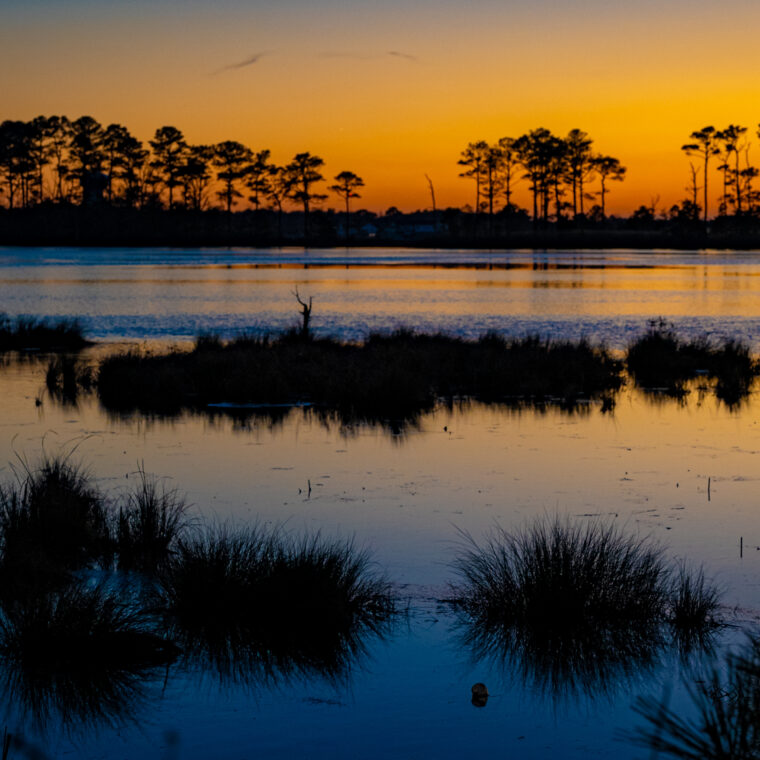
Chincoteague Island sits on the Eastern Shore of Virginia, separated from the Atlantic by a narrow barrier island called Assateague, which is where the wild ponies live. The ponies have been here so long and through so much that they’ve become genuinely inseparable from the place — brought over by colonists centuries ago, left to manage themselves on the island, and now the subject of an annual tradition every summer where the herd swims the channel to the Virginia side for a roundup and auction. Part folklore, part community ritual, entirely unique to this particular stretch of coast.
Just north of the island is NASA’s Wallops Flight Facility, where rockets still launch from the shoreline on a regular basis. Wild ponies on one horizon, rocket launches on the other. Virginia doesn’t lack for range.
The drone was grounded. The apps showed restricted airspace in all directions and I couldn’t get a NOTAM authorization to fly to even two hundred feet. I never figured out why exactly. I put the drone away and walked.
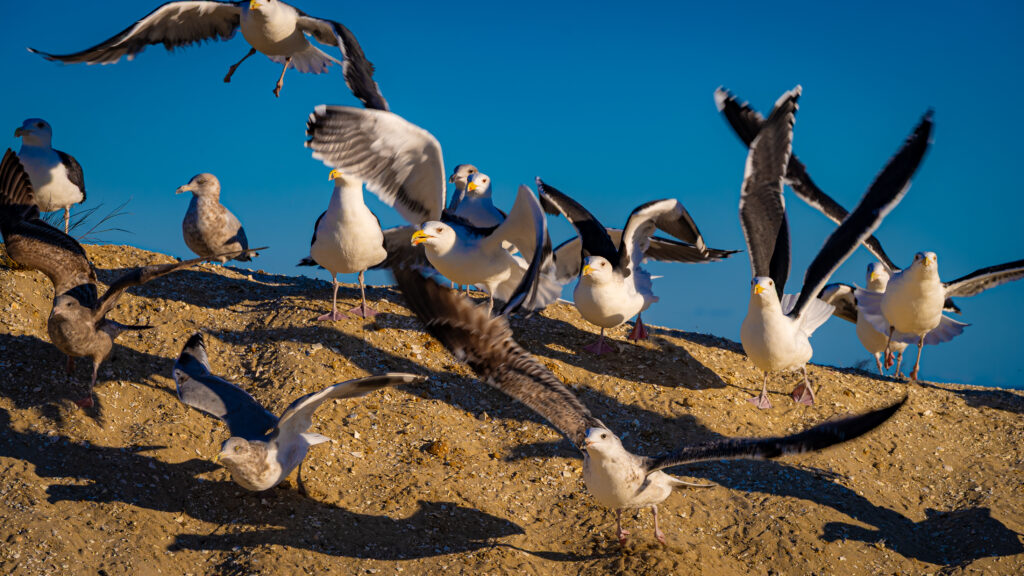
The Ash Wednesday Storm
I found a kiosk in town with some local history on a panel, noticed a reference to a major nor’easter, and thought it was from the 1920s. I was off by forty years.
The Ash Wednesday Storm of March 1962 was a three-day assault of wind and water that hit most of the Mid-Atlantic coast with unusual ferocity. Chincoteague was essentially underwater. The Main Street flooded, buildings took serious damage, even the ponies on Assateague were affected. It was bad enough that development plans for the barrier island got reconsidered in the aftermath. Instead of paving Assateague over — which had been on the table before the storm — conservation efforts moved in. The coast stayed wild. The ponies stayed.
Sometimes a catastrophe is the thing that protects a place. The storm that wrecked everything also preserved it.
The Key West Cottages
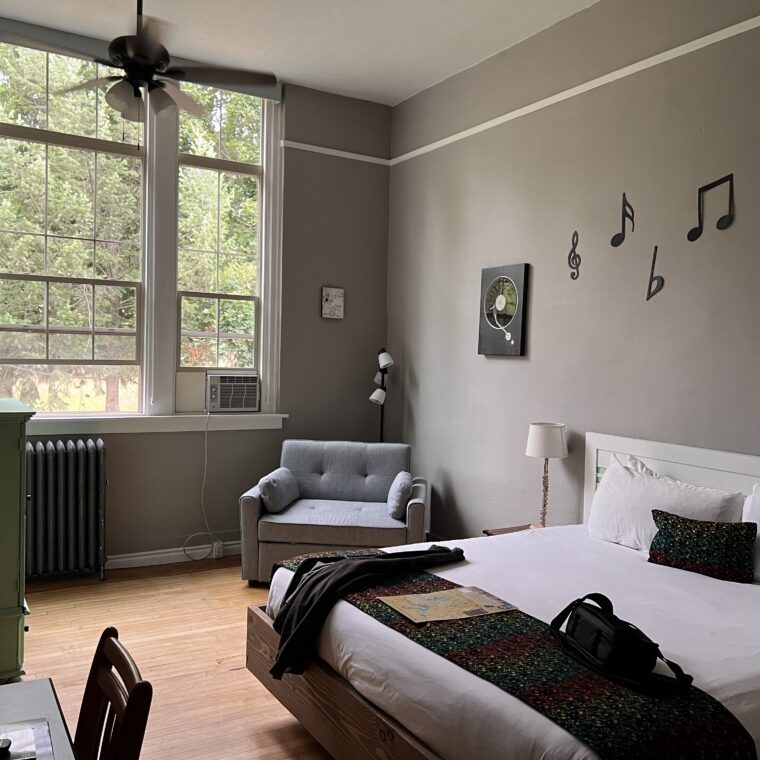
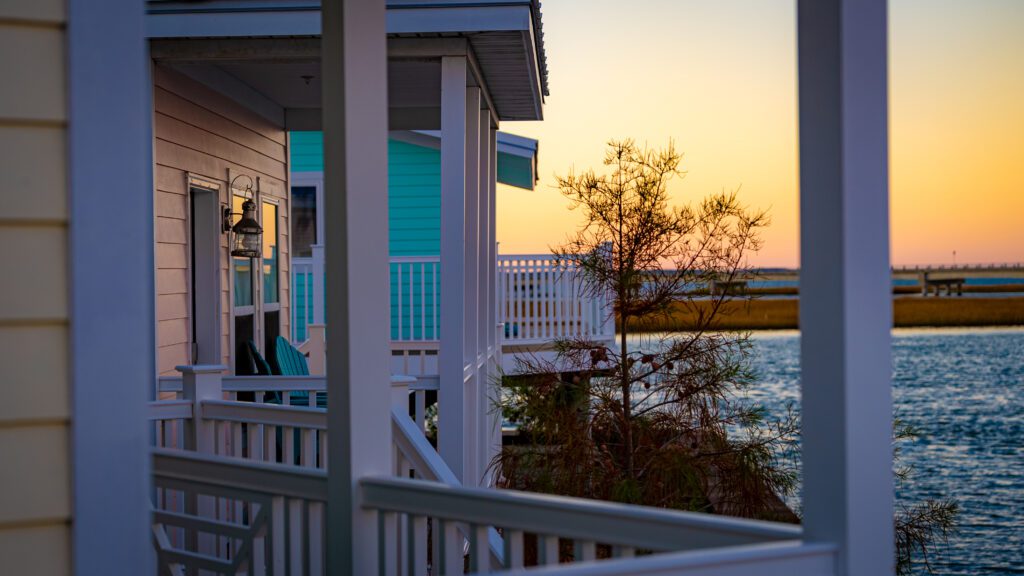
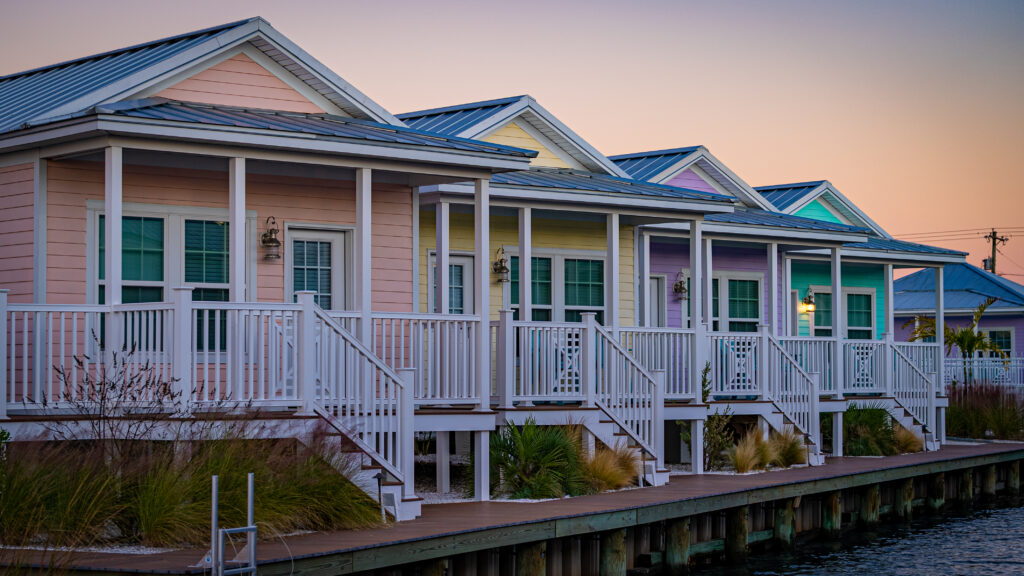
I was staying at a place called the Key West Cottages on the water’s edge, which sounds like it should be in Florida but lands here as a cluster of small pastel-colored retreats at the canal’s edge in Chincoteague. Full kitchen, covered porch with water views, access to fish and crab directly from the deck. Compact and well designed. I photographed the room before I mucked it up, as I always do, which is a habit I picked up somewhere around episode thirty and haven’t been able to stop.
I climbed the Assateague lighthouse. Up and down, which covers it entirely. The view from the top was the island spread out in every direction, the Atlantic on one side, the bay on the other, the ponies somewhere out there in the grass doing what wild ponies do on a cold November afternoon.
I was quiet on this leg of the trip. A little inside my own head. I’d been through this area before with Denise years ago, before everything changed, and driving around Chincoteague alone in November brought some of that back. Nothing dramatic. Just the particular kind of quiet that comes when you’re in a place you’ve been before and the people you were with aren’t there anymore.
Tomorrow: Virginia
The plan for tomorrow is ambitious in the way that driving plans always are: Cape Charles, Hampton, Yorktown, Saluda, Fredericksburg, and then up to Alexandria to fly out. Probably Williamsburg too if the timing works. A lot of ground. A lot to see.
We’ll see how much of it survives contact with actual road conditions.