I came into this project as a photographer and a lighting designer, someone who has spent decades thinking about what a scene looks like and how to show it to other people. So documentation wasn’t an afterthought. It was half the point.
The primary format is video. Each state gets its own episode, (or several) posted to YouTube, built from footage I shoot as I go — windshield conversations, scenic drives, the occasional moment where something unexpected happens and I’m lucky enough to have a camera running. The episodes aren’t polished travel segments. They’re closer to a travel diary with a lens attached. I show up somewhere, I point the camera at what I find, and I try to say something honest about it.

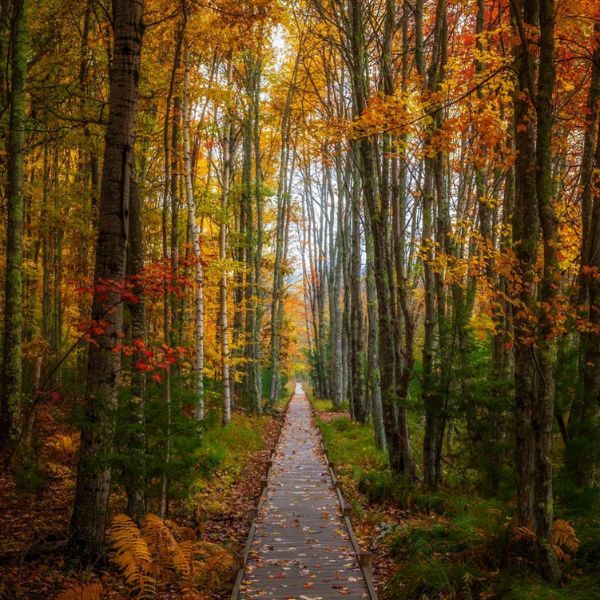
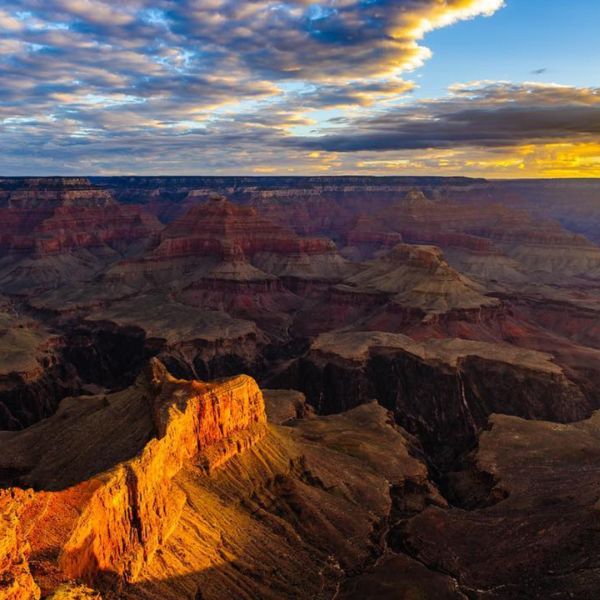
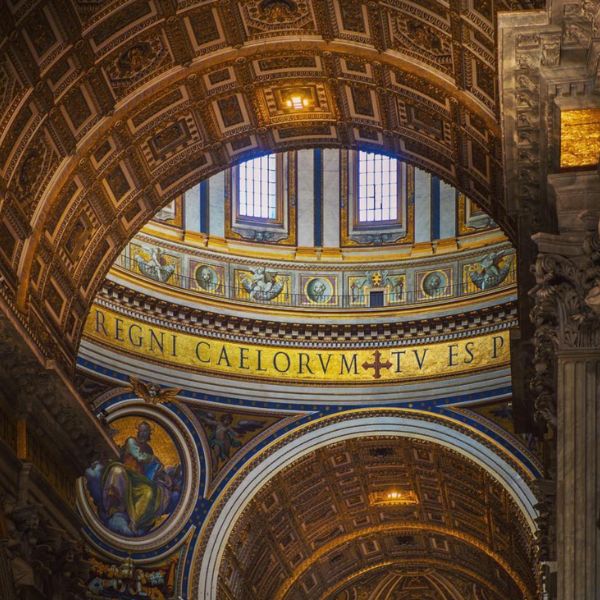
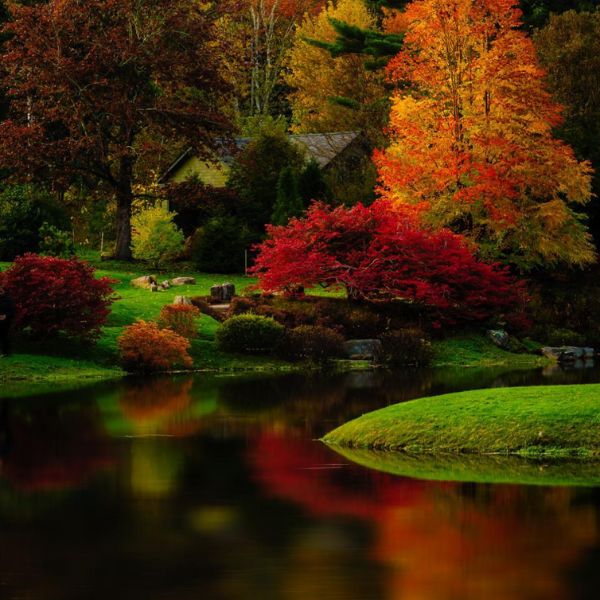
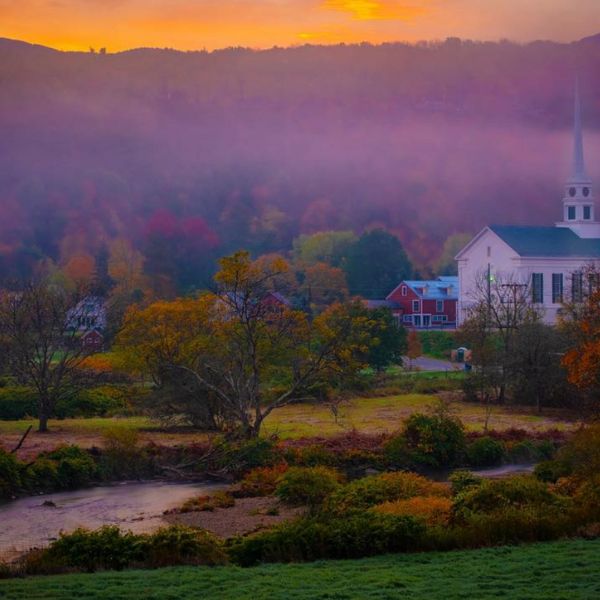
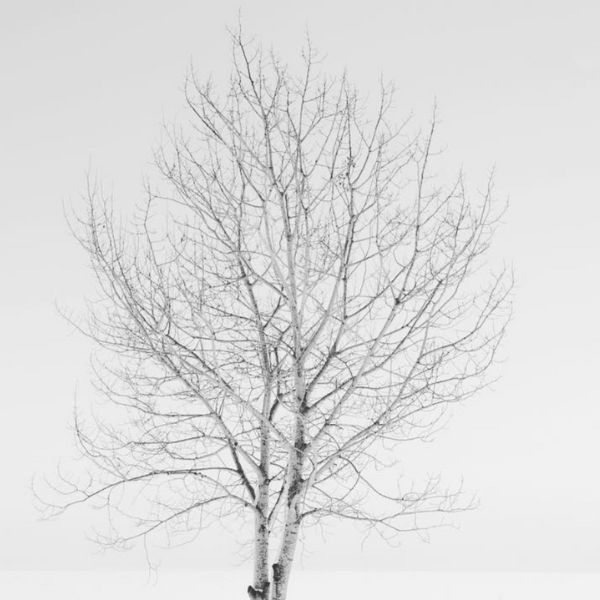
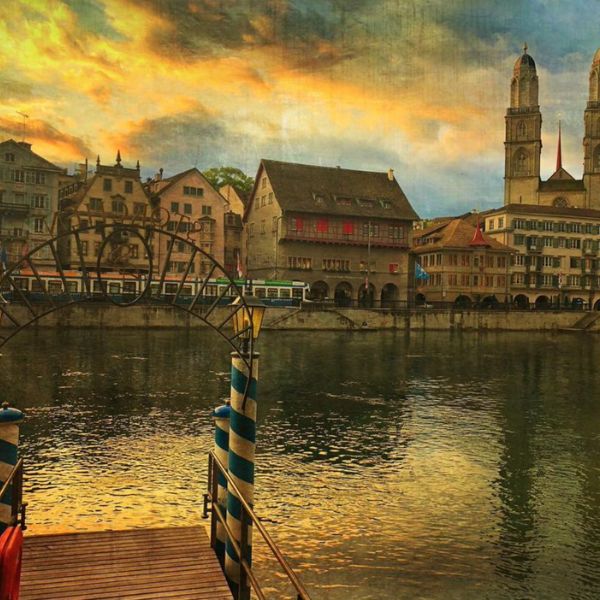
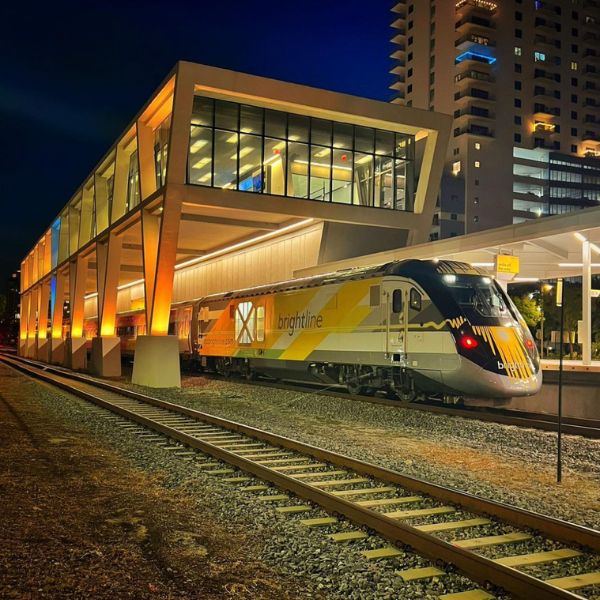
This website exists alongside the videos as a place for the written version of the story. Each episode has a corresponding blog post, which lets me expand on things I glossed over in the edit, add context that didn’t make the cut, and give the photographs a proper home. I’ve always believed that some things translate better to still images than to video, and landscape photography has been part of my work for long enough that leaving it out felt wrong.

I also journal. Not for the channel, just for me. Stream of consciousness, mostly, written in whatever hotel room or bed and breakfast I’ve landed in that night. A lot of what ends up in the videos started as something I scratched out in a notebook first. The pamphlets I collect from every state get shipped home in prepaid UPS boxes. There’s a system. It’s loosely organized at best.

What I’ve found, a year into this, is that the documentation is inseparable from the experience itself. Knowing I’m going to have to talk about a place on camera makes me pay closer attention while I’m there. It makes me ask the extra question. It makes me stay twenty minutes longer at the viewpoint because the light might change.
It also makes me talk to more strangers, which Frank has been encouraging since day one. He’s usually right.
Pick a Format and Start. The Rest Figures Itself Out.
You don’t need professional gear to document a trip like this. You need a method that you’ll actually stick with — something that fits how you naturally process experience. Some people write. Some people shoot video. Some people take one photo a day and call it done. Any of those works. What doesn’t work is waiting until you have the right equipment, the right platform, or the right amount of confidence.
Start messy. Edit later. A few things that helped me stay consistent across a full year of travel:
- Choose one primary format and commit to it. Video, blog, photography, audio — pick the one that feels most natural and let it be the spine. Everything else can feed into it or live alongside it, but you need a center.
- Document while it’s fresh. Notes taken the same day are worth ten times the notes you try to reconstruct a week later. Even a voice memo in the car counts.
- Your phone is enough to start. Seriously. The footage that matters most on this trip wasn’t shot on the best camera I had with me — it was shot on whatever I grabbed first because something was happening right now.
- Create a consistent file structure before you leave. One folder per state, subfolders by date or location. You will thank yourself for this somewhere around state twenty.
- Ship things home. Journals, pamphlets, memory cards you’ve backed up — get them out of the bag and into a safe place. Losing a month of documentation to a stolen bag is a real risk on a trip this long.
- Don’t perform for the camera. Just talk. The episodes that resonate most aren’t the ones with the best footage. They’re the ones where something real is happening and you can feel it.