I’ll be honest with you: I didn’t walk into this project with a color-coded spreadsheet and a five-year plan. What I had was a birthday coming up, a career that was winding down, and a growing sense that if I was going to do something like this, the time was now.
The research started the way most things start for me — loosely, and with coffee.

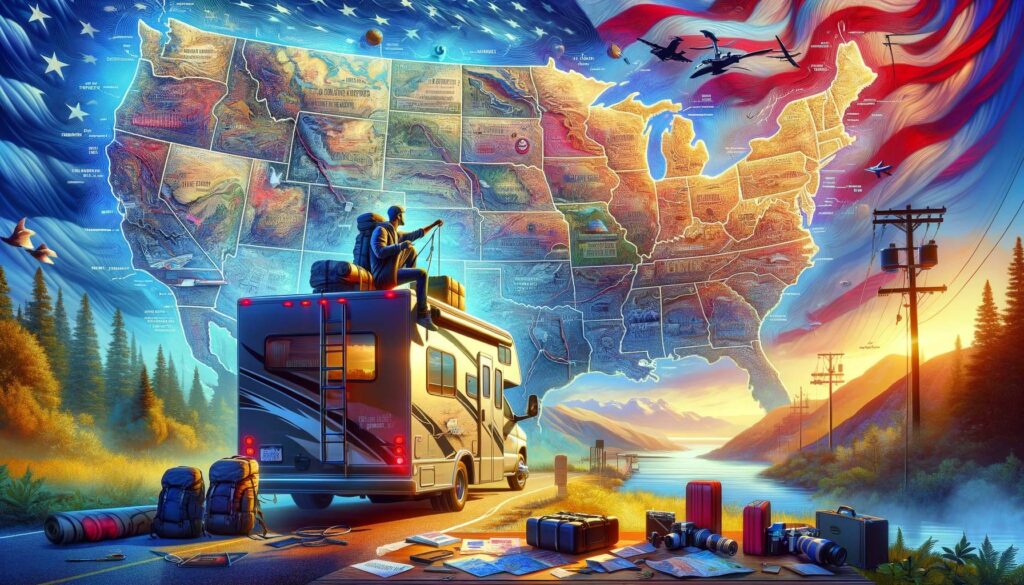
The first real decision was how to break the country into pieces I could actually manage. Fifty states in one year sounds clean until you look at a map and realize Alaska exists. And Hawaii. And that getting between them and anywhere else requires a plane, a budget, and a willingness to rethink everything you thought you knew about the word road trip. So the planning became less about a single grand loop and more about building a series of segments — each one shaped by geography, weather, and what was actually worth seeing at a given time of year.
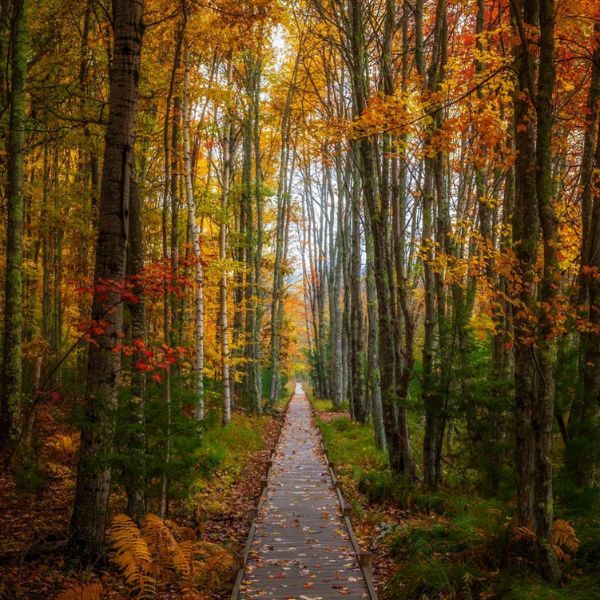
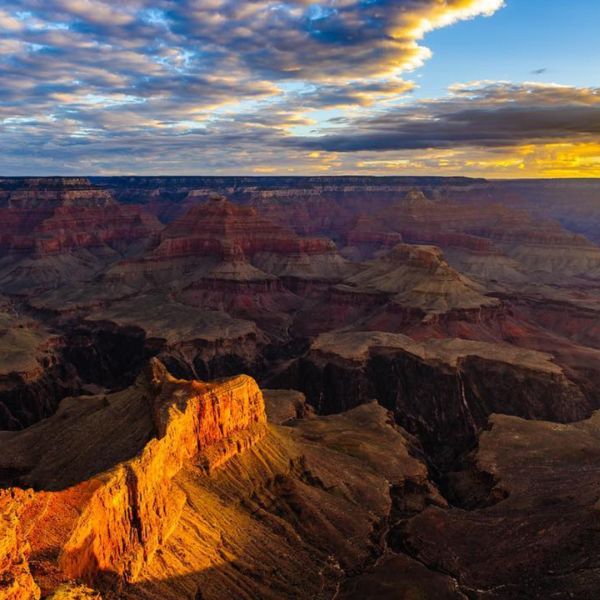
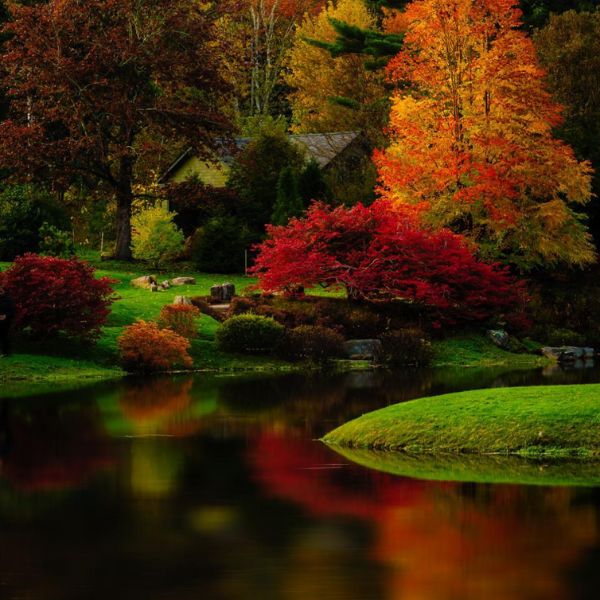
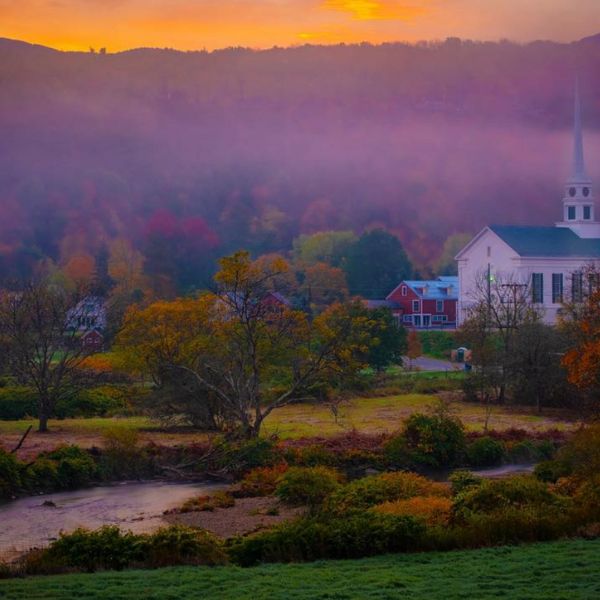
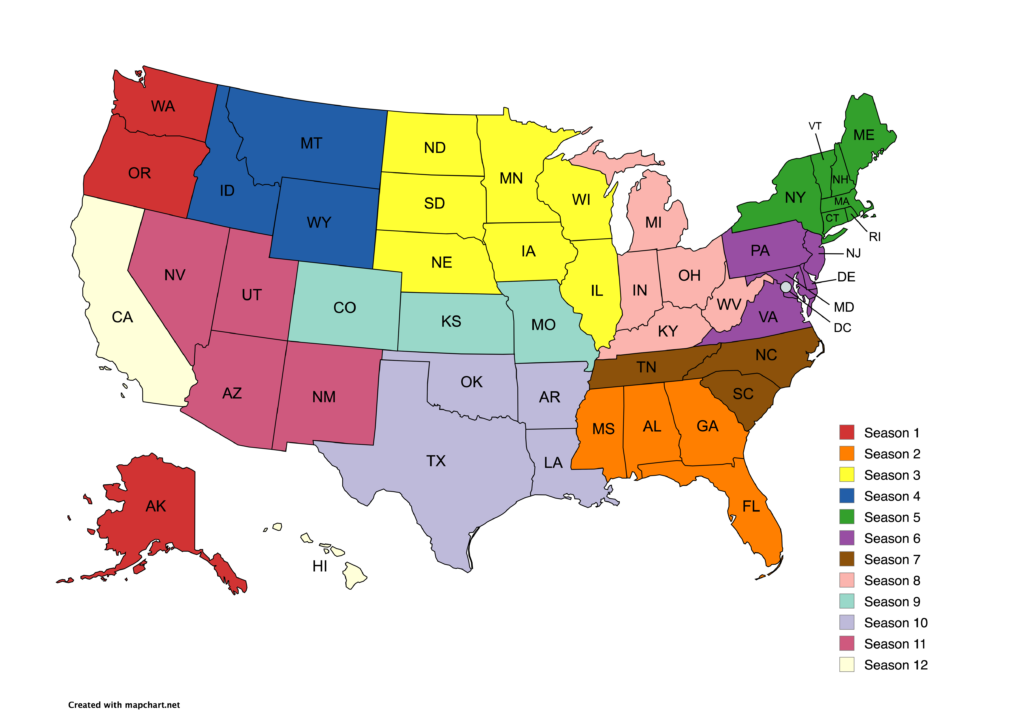
And this is eventually how I ended up breaking up the project … in seasons (at least for the videos!)
From there it was research in layers: where to stay, how to get between places, what was worth the detour versus what just looked good in a Google image search. I learned quickly that the most interesting things rarely show up on the first page of results. The Pella windmill. A dairy farm outside Galena. A fish boil master in Door County. Those came from digging a little deeper, or from strangers who told me where to turn.
Budgeting, logistics, accommodation — all of it required more attention than I expected. Prices vary wildly. Availability varies wildly. And the gap between planning to book ahead and actually booking ahead turned out to be one of the more instructive lessons of the whole year.
What I couldn’t fully research in advance was the thing that ended up mattering most: the people. The conversations that started in parking lots and on viewpoints and at the end of dairy farm tours. That part you can’t plan for. You just have to show up and stay curious.
The research gave me a framework. The road filled it in.

Before You Hit the Road: A Few Things Worth Knowing
If you’re thinking about attempting something like this yourself, the research phase is where most people either build confidence or talk themselves out of it entirely. The good news: it’s more manageable than it looks from the outside.
The key is starting broad and narrowing down — don’t try to plan all 50 states at once. Cluster them into regional segments of one to two weeks each, research those segments individually, and let the overall shape of the year emerge from there.
A few things that are genuinely worth figuring out before you leave:
- Start a research document and keep it simple. One running document per segment — notes, links, rough costs, things to look into. You don’t need a system. You need somewhere to put things.
- Segment by region, not by state count. Geography and weather matter more than hitting numbers. The Pacific Northwest in summer is a different trip than the Gulf Coast in January — plan accordingly.
- Research in layers. Start with the anchor destinations, then dig into what’s between them. The best stops on this trip were often things I found on page three of a search, or heard about from someone at the previous stop.
- Alaska and Hawaii require separate planning. Flights, timing, and budget need to be addressed early — these two states can derail an otherwise solid plan if you leave them as afterthoughts.
- Build a working budget before you go, and add 20%. Accommodation and fuel costs vary more than most people expect across regions and seasons.
- Use AI tools to get oriented, but verify everything. I used ChatGPT for quick summaries and starting points. It’s useful. It also recommended a steakhouse that was in the wrong state. Cross-reference anything specific.